 6 Courses
- Nov 11, 2026
- Dec 9, 2026
- Jan 6, 2027
- Feb 3, 2027
- Mar 3, 2027
- Mar 31, 2027
- Apr 28, 2027
- Nov 11, 2026
- Dec 9, 2026
- Jan 6, 2027
- Feb 3, 2027
- Mar 3, 2027
- Mar 31, 2027
- Apr 28, 2027
- Nov 11, 2026
- Dec 9, 2026
- Jan 6, 2027
- Feb 3, 2027
- Mar 3, 2027
- Mar 31, 2027
- Apr 28, 2027
- Nov 11, 2026
- Dec 9, 2026
- Jan 6, 2027
- Feb 3, 2027
- Mar 3, 2027
- Mar 31, 2027
- Apr 28, 2027
Energetics explores the fundamental processes of energy flow and transformation within living organisms. This field examines both how organisms obtain and convert energy through nutrition and how they use that energy for various life functions and physical activities.
In this course, you will explore what energetics research reveals regarding key questions about human health and performance. You will examine evidence-based approaches to achieving and maintaining optimal body weight, enhancing physical performance, and understanding the crucial role of iron metabolism in overall health. The course concludes with a global perspective on malnutrition, examining its various forms, causes, and impacts on populations worldwide.
- Nov 11, 2026
- Dec 9, 2026
- Jan 6, 2027
- Feb 3, 2027
- Mar 3, 2027
- Mar 31, 2027
- Apr 28, 2027
In this course, you will learn how nutrition may prevent and improve symptoms of cancer, hypertension (high blood pressure), and osteoporosis. Specifically, you will explore the relationships between the food we eat and risk, understanding the role of animal protein, vitamins, and minerals in these major diseases and conditions. This course also builds your ability to critically analyze nutrition labels, understand dietary recommendations, and provides three key principles to follow for leading a healthy lifestyle.
Nutrition is a cornerstone of long-term health and a decisive factor in disease prevention. In this course, you will examine the complex interplay between lifestyle behaviors and three major chronic conditions: cancer, hypertension, and osteoporosis. You'll explore the specific roles of macronutrients, micronutrients, and physical activity in managing these risks. In addition, you will gain practical skills in interpreting nutrition metrics and labels, and leave with three foundational principles for maintaining an intentional, health-focused lifestyle.
- Nov 11, 2026
- Dec 9, 2026
- Jan 6, 2027
- Feb 3, 2027
- Mar 3, 2027
- Mar 31, 2027
- Apr 28, 2027
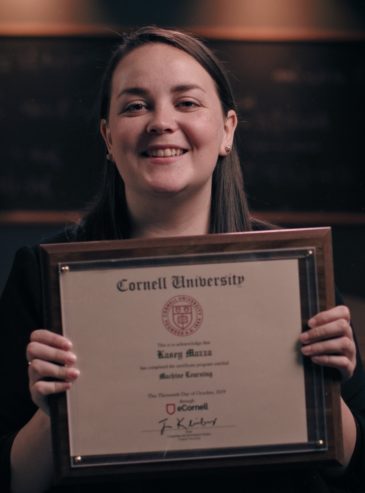
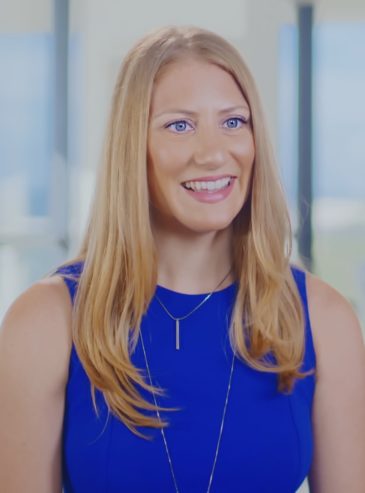

eCornell was truly one of the best investments I made in my entire career and it’s what brought me to where I am now.