
 8 Courses
- Oct 21, 2026
- Nov 18, 2026
- Dec 16, 2026
- Jan 13, 2027
- Feb 10, 2027
- Mar 10, 2027
- Apr 7, 2027
This course introduces you to the different scenarios in which you will utilize built-in Python functions, classes, and data types as opposed to creating your own or using a combination of built-in and custom-built capabilities. You will gain experience working with both built-in and custom-built functions, classes, and data types. Through practice and application of these basic building blocks/tools, you will gain an in-depth understanding of how these aspects of Python interoperate to create useful programs.
You are required to have completed the following course or have equivalent experience before taking this course:
- Constructing Expressions in Python
- Nov 11, 2026
- Dec 9, 2026
- Jan 6, 2027
- Feb 3, 2027
- Mar 3, 2027
- Mar 31, 2027
- Apr 28, 2027
Python is much more than a programming language. In this course, you will leverage the comprehensive Python ecosystem of libraries, frameworks, and tools to develop complex data science applications. Throughout this course, you will practice using the different Python tools appropriate to your dataset. You will leverage library resources for data acquisition and analysis as well as machine learning. Dataframes will be introduced as a means of manipulating structured data tables for advanced analysis. Additionally, you will practice basic routines for data visualization utilizing Jupyter Notebooks.
You are required to have completed the following courses or have equivalent experience before taking this course:
- Constructing Expressions in Python
- Writing Custom Python Functions, Classes, and Workflows
- Nov 4, 2026
- Dec 2, 2026
- Dec 30, 2026
- Jan 27, 2027
- Feb 24, 2027
- Mar 24, 2027
- Apr 21, 2027
Decision-makers generally do not use raw data to make decisions; they prefer data be summarized in easily understood formats that facilitate efficient decision-making. This course introduces data manipulation and visualization, both critical components of any data science project. This course introduces two commonly used data manipulation tools in the Python ecosystem: NumPy and Pandas. In addition, the Python ecosystem also includes a variety of data plotting packages such as Matplotlib, Seaborn, and Bokeh — each of which specialize in particular aspects of data visualization. This course will give you experience integrating NumPy, Pandas, and the plotting packages to create rich, interactive data visualizations that help drive efficient decision-making.
You are required to have completed the following courses or have equivalent experience before taking this course:
- Constructing Expressions in Python
- Writing Custom Python Functions, Classes, and Workflows
- Developing Data Science Applications
- Oct 28, 2026
- Nov 25, 2026
- Dec 23, 2026
- Jan 20, 2027
- Feb 17, 2027
- Mar 17, 2027
- Apr 14, 2027
Most data science projects that use Python will require you to access and integrate different types of data from a variety of external sources. This course will give you experience identifying and integrating data from spreadsheets, text files, websites, and databases. To prepare for downstream analyses, you first need to integrate any external data sources into your Python program. You will utilize existing packages and develop your own code to read data from a variety of sources. You will also practice using Python to prepare disorganized, unstructured, or unwieldy datasets for analysis by other stakeholders.
You are required to have completed the following courses or have equivalent experience before taking this course:
- Constructing Expressions in Python
- Writing Custom Python Functions, Classes, and Workflows
- Developing Data Science Applications
- Creating Data Arrays and Tables in Python
- Oct 21, 2026
- Nov 18, 2026
- Dec 16, 2026
- Jan 13, 2027
- Feb 10, 2027
- Mar 10, 2027
- Apr 7, 2027
In order to be useful within a professional environment, data must be structured in a way that can be understood and applied to real-world scenarios. This course introduces using Python to perform statistical data analysis and create visualizations that uncover patterns in your data. Using the tools and workflows you developed in earlier courses, you will carry out analyses on real-world datasets to become familiar with recognizing and utilizing patterns. Finally, you will form and test hypotheses about your data which will become the foundation upon which data-driven decision-making is built.
You are required to have completed the following courses or have equivalent experience before taking this course:
- Constructing Expressions in Python
- Writing Custom Python Functions, Classes, and Workflows
- Developing Data Science Applications
- Creating Data Arrays and Tables in Python
- Organizing Data with Python
- Nov 11, 2026
- Dec 9, 2026
- Jan 6, 2027
- Feb 3, 2027
- Mar 3, 2027
- Mar 31, 2027
- Apr 28, 2027
In this course, you will explore some of the machine learning tools you can use to magnify the analytical power of Python data science programs. You will use the scikit-learn package — a Python package developed for machine learning applications — to develop predictive machine learning models. You will then practice using these models to discover new relationships and patterns in your data. These capabilities allow you to unlock additional value in your data that will aid in making predictions and, in some cases, creating new data.
You are required to have completed the following courses or have equivalent experience before taking this course:
- Constructing Expressions in Python
- Writing Custom Python Functions, Classes, and Workflows
- Developing Data Science Applications
- Creating Data Arrays and Tables in Python
- Organizing Data with Python
- Analyzing and Visualizing Data with Python
- Nov 4, 2026
- Dec 2, 2026
- Dec 30, 2026
- Jan 27, 2027
- Feb 24, 2027
- Mar 24, 2027
- Apr 21, 2027
eCornell online Workshops are live, interactive learning experiences lasting 1 to 4 hours and led by Cornell faculty experts. These premium, short-format sessions focus on AI topics and are designed for busy professionals who want to gain immediately applicable skills and strategic perspectives. Workshops may include faculty presentations, breakout discussions, and guided hands-on practice.
The AI Workshops All-Access Pass provides you with unlimited participation for 6 months from your date of purchase. Whether you choose to attend one Workshop per month or several per week, the All-Access Pass allows you to customize your AI journey and stay on top of the latest AI trends.
Hosted by Cornell faculty at the forefront of their fields, Workshops cover a range of cutting-edge AI topics applicable across industries. Workshops are offered at three levels to allow you to choose topics that match your experience.
- AI Foundations
- These Workshops introduce core AI concepts, terminology, capabilities, limitations, and practical applications. No prior AI experience is required.
- Best for: Beginners, AI-curious professionals, and teams starting their AI journey.
- AI in Practice
- These Workshops focus on practical skills, workflows, and strategies that help participants use AI more effectively in their day-to-day work. Some familiarity with AI tools is recommended.
- Best for: Professionals who have experimented with AI and want to build confidence and capability.
- AI Leadership and Transformation
- These advanced Workshops explore emerging technologies, strategic implementation, governance, organizational impact, and specialized applications. AI fluency is expected, and some Workshops may have prerequisites.
- Best for: AI leaders, transformation teams, executives, and advanced practitioners.

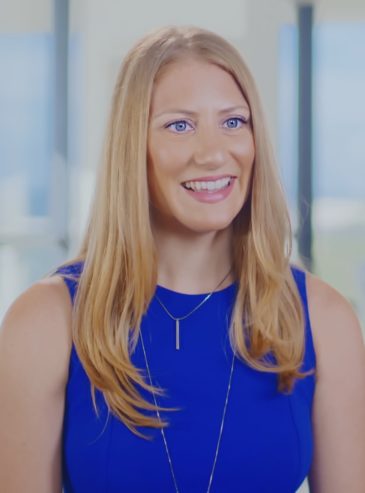

eCornell was truly one of the best investments I made in my entire career and it’s what brought me to where I am now.