

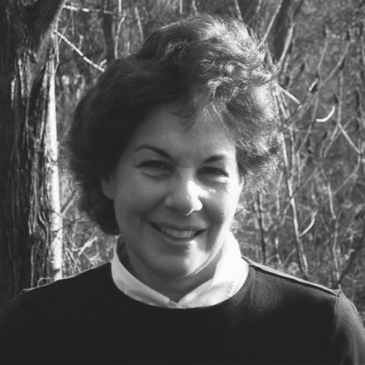
Nina Bassuk obtained her Ph.D. in Horticulture from the University of London, UK, and is currently a professor and program leader of the Urban Horticulture Institute at Cornell University. She also sits on the board of the New York State Urban Forestry Council. Professor Bassuk is co-author of “Trees in the Urban Landscape,” a text for landscape architects and horticultural practitioners on establishing trees in disturbed and urban landscapes.
A native New Yorker, Professor Bassuk has authored over 100 papers focusing on the physiological problems of plants growing in urban environments, including improved plant selections for difficult sites, soil modification including the development of CU-Structural Soil®, and improved transplanting technology. She is on the technical advisory committee of the Sustainable Sites Initiative (SITES) and works closely with municipalities to help implement best practices in urban forestry management.
Nina helped to develop the Student Weekend Arborist Team (SWAT) to inventory public trees in small communities. She is a frequent invited speaker at conferences and workshops and received the Stephen H. Weiss Presidential Fellowship from Cornell University.