

In this course, you will build a foundation in historic preservation by exploring its history, guiding principles, and legal framework. You’ll examine how preserving historic buildings contributes to environmental sustainability and stronger communities. You’ll also analyze preservation proposals and develop strategies for advocating for historic preservation in modern renovation projects.

In this course, you will examine the factors that influence decisions about preserving historic structures. You’ll explore embodied energy as a framework for evaluating existing buildings and materials, and you’ll learn strategies for collaborating with stakeholders to identify opportunities for adaptive reuse. Finally, through a case study, you’ll apply embodied energy concepts to evaluate a historic structure and recommend an appropriate strategy for its future use.

In this course, you will examine the structural, regulatory, and social factors that influence sustainable rehabilitation projects. You’ll explore rehabilitation as a preservation strategy for extending the life and usefulness of historic buildings. Through real-world case studies, you’ll evaluate how historic structures can be adapted to incorporate modern technologies or new uses. Finally, you’ll develop recommendations that balance community priorities with long-term preservation goals.

In this course, you will explore strategies for making rehabilitation projects more sustainable. You’ll examine sustainability from environmental, economic, cultural, and social perspectives to better understand its role in creating resilient communities. You’ll also evaluate retrofit strategies that address current and future challenges, assess projects for long-term adaptability, and practice engaging stakeholders throughout the planning process.

In this course, you will examine the financial considerations that contribute to successful preservation projects. You’ll explore funding sources, financing strategies, and market conditions that influence project viability. You’ll also learn how to balance economic realities with historic preservation and sustainability goals. By the end of the course, you’ll be better prepared to evaluate the financial feasibility of sustainable preservation initiatives.

In this course, you will consider the role public policy plays in advancing historic preservation and sustainability. You’ll evaluate preservation strategies and translate them into practical implementation plans. You’ll also explore policy tools and legal mechanisms that support sustainable preservation initiatives in your community. By the end of the course, you will be prepared to contribute to public policy and planning efforts that promote sustainable preservation.

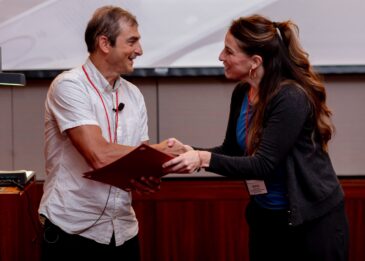
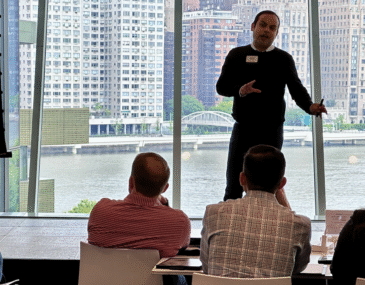
eCornell online Workshops are live, interactive 3-hour learning experiences led by Cornell faculty experts. These premium short-format sessions focus on AI topics and are designed for busy professionals who want to gain immediately applicable skills and strategic perspectives. Workshops include faculty presentations, breakout discussions, guided hands-on practice, and downloadable resources.

The AI Workshops All-Access Pass provides you with unlimited participation for 6 months from your date of purchase. Whether you choose to attend one workshop per month or several per week, the All-Access Pass will allow you to customize your AI journey and stay on top of the latest AI trends.

Hosted by Cornell faculty at the forefront of their fields, Workshops cover a range of cutting-edge AI topics applicable across industries. Whether you are just getting started with AI, seeking to build your AI skillset, or exploring advanced applications of AI, Workshops will provide you with an action-oriented learning experience for immediate application in your career. Sample Workshops include:

  • Work Smarter With AI Agents: Individual and Team Effectiveness
  • Leading AI Transformation: Bigger Than You Imagine, Harder Than You Expect
  • Using AI at Work: Practical Choices and Better Results
  • Search and Discoverability in the Era of AI
  • Don’t Just Prompt AI – Govern It
  • AI-Powered Product Manager
  • Leverage AI and Human Connection To Lead Through Uncertainty

Request
more Info
by completing the form below.

Act today—courses are filling fast.

How It Works

  • Architects and designers working on the rehabilitation or adaptive reuse of existing buildings
  • Historic preservation professionals seeking to integrate sustainability into preservation planning and practice
  • Urban, municipal, and regional planners responsible for community development and the built environment
  • Civil and structural engineers involved in rehabilitation and retrofit projects
  • Real estate development and property professionals working with historic properties
  • Sustainability and environmental professionals interested in preservation as a strategy for reducing environmental impact