

How It Works
Download a Brochure
Not ready to enroll but want to learn more? Download the certificate brochure to review program details.Frequently Asked Questions
Helping professionals are often expected to support behavior change, even when they were never trained in counseling skills. Cornell’s Wellness Counseling Certificate helps you strengthen how you listen, respond, and guide change so your conversations become more productive for clients, patients, colleagues, or employees.
Across the certificate, authored by faculty from Cornell’s College of Human Ecology, you practice a client-directed approach that builds rapport and trust, helps you interpret verbal and nonverbal cues, and equips you to use empathy, strategic silence, and self-management instead of defaulting to advice too soon. You also develop practical methods for uncovering the “need behind the need,” resolving ambivalence with motivational interviewing techniques, and co-creating realistic, actionable goals that clients can actually follow.
Because the program is built around applied exercises and projects, you will start using the techniques immediately, whether you work one on one, facilitate groups, or contribute to a broader culture of wellness in an organization.
If you want stronger trust-building conversations, practical tools to elicit lasting behavior change, and a clear approach you can apply across clients, groups, and organizations, you should choose Cornell's Wellness Counseling Certificate.
Many online counseling or coaching courses emphasize passive content consumption, with generic prompts and limited feedback. Cornell’s Wellness Counseling Certificate is designed to change how you perform in real conversations by combining faculty-designed curriculum with a human-centered, facilitated learning experience built around practice.
You learn in a small cohort with an expert facilitator who guides discussions and provides feedback on your applied work, so you are not left to interpret sensitive communication skills on your own. The learning activities go beyond reading and quizzes by asking you to practice core techniques, such as reflective continuing responses, strategic silence, interpreting nonverbal communication, and motivational interviewing, then reflect on what happened and refine your approach.
The program is also distinctive in its scope. Alongside one-on-one behavior change conversations, you develop skills that transfer to group facilitation and organizational wellness, including creating a wellness vision and planning how you will communicate it to stakeholders.
Professionals who support behavior change as part of their job, even if they do not hold a formal counseling title, are a strong fit for Cornell’s Wellness Counseling Certificate.
The Wellness Counseling Certificate is designed for people such as:
- Healthcare and medical professionals, including doctors, nurses, and aides
- Physical therapists and chiropractors
- Wellness coaches, health educators, and corporate wellness professionals
- Personal trainers and fitness professionals who coach habit change
- Nutritionists and other practitioners who frequently discuss goals and accountability
- HR and people leaders who contribute to employee well-being and healthy workplace cultures
Because the learning is practice based, the program works especially well if you regularly have real conversations where trust, motivation, and follow-through matter.
Project work in Cornell’s Wellness Counseling Certificate is designed to build counseling skills through practice, reflection, and repeated application, so you can use the methods in real client and workplace conversations.
Examples of projects you will complete include:
- Reflecting on a time you felt unheard and reframing the interaction using a client-directed counseling approach
- Observing and interpreting nonverbal cues in a real interaction, using an assessment checklist to form and test hypotheses
- Practicing self-management techniques, including purposeful silence and withholding premature advice, then analyzing what changed in the conversation
- Analyzing a case using social cognitive theory (including reciprocal determinism) and producing an action plan to support behavior change
- Recording a short practice session with a colleague or friend to demonstrate continuing responses that build trust, then incorporating feedback into your reflection
- Evaluating a counselor’s use of client-centered techniques in a recorded session and identifying missed opportunities to elicit deeper information
- Conducting a motivational interviewing practice session to resolve ambivalence, then writing a scripted conversation that guides someone to a realistic, actionable goal
- Creating a personal wellness vision and a plan for how you will communicate that vision to groups or organizations, including how you will facilitate safe, productive group dialogue
Together, these projects help you build a repeatable approach for trust-building conversations, goal setting, and wellness-focused behavior change.
Cornell’s Wellness Counseling Certificate strengthens the communication and behavior change skills that help you earn trust quickly and lead more effective client, patient, or employee well-being conversations.
After completing the Wellness Counseling Certificate, you will have the skills to:
- Create rapport, build trust, and elicit useful information from clients
- Apply new techniques to better understand a client’s goals
- Negotiate granular goals that result in more successful and permanent behavior change
- Expand your counseling skills to support group facilitation and organizational wellness initiatives
Students frequently report long-term benefits that extend beyond any single role or industry. In survey feedback, learners describe the Wellness Counseling Certificate as a practical, skill-building experience that changes how they show up in real conversations, highlighting stronger listening, rapport, and trust; greater confidence using empathy and silence; clearer methods for uncovering deeper needs and motivations; and more effective goal-setting and behavior change conversations they can apply immediately. Learners also note that the skills transfer into leadership, coaching, healthcare, and even everyday relationships because the techniques improve how they communicate during sensitive or high-stakes moments.
What truly sets eCornell apart is how our programs unlock genuine career transformation. Learners earn promotions to senior positions, enjoy meaningful salary growth, build valuable professional networks, and navigate successful career transitions.
Cornell’s Wellness Counseling Certificate, which consists of 4 short courses, is designed to be completed in 2 months. Each course in this certificate runs for 2 weeks, with a typical weekly time commitment of 3 to 5 hours.
In practice, the schedule is flexible because most coursework is asynchronous; you complete videos, readings, reflections, discussions, and project work on your own time each week. Some courses also include live sessions that add real-time discussion and coaching support.
Because several assignments ask you to practice a conversation or interview with a colleague or friend, you should plan for a small amount of coordination time. Most learners find this manageable because you can choose the person and schedule the practice session at a time that fits your schedule.
Students in Cornell’s Wellness Counseling Certificate often describe it as a practical, skill-building experience that changes how they show up in real conversations, both with clients and in everyday life. They frequently highlight the program’s client-centered counseling focus, the step-by-step way skills are taught and practiced, and the strong facilitator presence that helps them build confidence quickly.
Learners commonly point to benefits that include:
- Clear, client-directed counseling approach that improves listening, rapport, and trust
- Practical tools for guiding behavior change and goal-setting conversations
- Techniques for staying present, using silence effectively, and responding with empathy
- Frameworks that help uncover a client’s deeper needs and motivations
- Assignments that simulate real counseling sessions, not just theory review
- Meaningful reflection that strengthens self-awareness and counselor mindset
- High-impact feedback from experienced facilitators that accelerates growth
- Engaging, bite-sized lessons with videos, examples, and interactive activities
- Easy-to-follow course organization with a pace that supports busy professionals
- Skills that transfer beyond counseling into leadership, coaching, healthcare, and personal relationships
Many students also note that they begin applying the methods immediately, reporting stronger communication, more purposeful conversations, and a greater ability to support others through change.
Prior counseling training is not required to benefit from Cornell’s Wellness Counseling Certificate because the program teaches skills step by step and gives you structured opportunities to practice.
The Wellness Counseling Certificate is especially relevant if you already have client or employee conversations where behavior change is the goal; for example, in healthcare, nutrition, fitness, coaching, or corporate wellness. You will also learn to stay within your scope of practice and recognize when a situation requires referral to a qualified professional, which supports ethical, responsible use of the techniques.
Learners tend to do best when they come in ready to practice new communication habits, reflect on what happened, and try again in the next conversation.
Practice is the center of Cornell’s Wellness Counseling Certificate, so you’re not only learning concepts but also rehearsing how you would respond in real conversations.
In the Wellness Counseling Certificate, you will have opportunities to:
- Practice counseling techniques with a colleague or friend in a structured, low-stakes way
- Record short practice conversations and reflect on what helped the other person open up
- Use tools like nonverbal cue assessments, readiness checklists, and goal-setting frameworks to guide what you do next
- Write scripts and action plans you can reuse in future client or workplace conversations
This design helps you build confidence, because you can see your progress from one interaction to the next.
Ethical practice is built into Cornell’s Wellness Counseling Certificate so you can apply counseling techniques responsibly in real-world settings.
You learn specific expectations and safeguards, including protecting privacy when you write about real situations and avoiding the use of identifiable client information. The program also emphasizes scope of practice, including how to recognize issues that require referral to qualified professionals and how to prepare for sensitive disclosures. As you move into group and organizational settings, you also practice creating conditions for mutual trust, such as clear confidentiality norms and respectful participation guidelines.
These boundaries help you use client-directed techniques in a way that supports both safety and effectiveness.
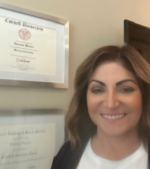
“As a former Senior C-Suite Fashion Executive and now a Wellness and Nutrition Counselor, I completed the Wellness Counseling certification at Cornell University online so my company, Backes Wellness, can better support clients in reversing a lifetime of poor eating and fitness habits.”

- 2 to 6 months
- $2,000 to $10,000
- Online

- 2 to 4 weeks
- $299 to $1,199
- Online

- 3 hours
- $449
- Online

- 15 to 24 months part-time
- Tuition varies
- Hybrid

- 2 to 5 days
- $3,000 to $10,000
- In person - Ithaca or NYC

- Custom Enterprise Programs
- Price varies
- In person or hybrid
Request Information Now by completing the form below.

Wellness Counseling
| Select Payment Method | Cost |
|---|---|
| $0 | |