
Course list

In this course, you will distinguish between the various components of a service culture and assess your current service environment. Using a case-based approach, this course will illustrate the importance of developing a strong service culture. You will reaffirm the importance of communicating a clear vision to both internal and external customers and share vision statements for your ideal service culture that reflect your organization's key values. Finally, you will identify workplace challenges and formulate an action plan to close gaps between specific components of your current and ideal service cultures.
  • Jun 10, 2026
  • Aug 19, 2026
  • Oct 28, 2026

In this course, you will identify the responsibilities of a service champion and the personal characteristics that contribute to effectiveness. The key skills required to assess, guide, and motivate service employees' performance are presented. You will practice the competencies required for engaging your colleagues in creating a strong service culture. Self-assessments and tools provide you with direction in developing several of these skills to evaluate your leadership traits, such as your credibility and expression of empathy. A review of communication channels and characteristics enables you to select the most appropriate method of communicating service standards. A final project provides an opportunity for you to apply course concepts to your own organization to facilitate a strong service culture.

What's a “service champion”? What do we mean by a “strong service culture”? In this course, you will identify what great customer service teams do so that you can practice and model the same skills, helping your team move from good to great.

Throughout this course you will practice modeling empathy, communication, curious discovery, and empowering others. This practice will give you the ability to empower others and empower your team to deliver excellent service that can be sustained over time.

  • Apr 15, 2026
  • Jun 24, 2026
  • Sep 2, 2026
  • Nov 11, 2026
In this course, you are introduced to the principles of Servant Leadership and the importance of fostering an ethical service culture. Servant Leaders communicate ethical standards and facilitate a supportive and respectful service culture that contributes to employee empowerment. A number of cases are provided to highlight leadership challenges and approaches. Servant Leaders are distinguished by their focus on listening skills, and you will assess and develop your listening behavior using Professor Brownell's HURIER listening model, which addresses six interrelated components: Hearing, Understanding, Remembering, Interpreting, Evaluating and Responding. The development of a strong listening environment also facilitates service within your organization. Finally, you will examine your current environment to identify opportunities to strengthen relationships and enhance the service experience of your organization.
  • Apr 29, 2026
  • Jul 8, 2026
  • Sep 16, 2026
  • Nov 25, 2026
In this course, you will focus on the key organizational processes that support the development of a strong service culture and exceptional customer service. You will be provided with a number of tools that enable you to select employees who have a strong service orientation and who will be a good fit with organizational values. The processes of orientation and socialization are examined as two powerful means of communicating service standards. You will then examine the benefits of a team-centered, collaborative culture and discuss strategies to facilitate and reward team performance. You will discuss organizational citizenship behavior using specific practices that support continuous on-the-job “training that sticks.” You will wrap up the course by designing an orientation program for new service employees that takes into consideration service-focused principles and practices.
  • May 13, 2026
  • Jul 22, 2026
  • Sep 30, 2026
  • Dec 9, 2026
In this course, you will begin by focusing on service intangibles and consider the power of both customer perceptions and experience management in delivering exceptional service. The impact of sharing service stories and the benefits of fostering creative approaches to addressing service challenges are emphasized as participants consider how to facilitate a strong culture of service excellence. Providing phenomenal service requires empowered employees, and along with your fellow students, you will discuss methods of preparing employees to solve problems, make decisions, and address issues of service recovery. Then, you will consider how to best facilitate performance management practices including coaching and mentoring. A compassionate workplace fosters increased satisfaction and productivity, and the course concludes with suggestions for focusing on service employees' health and care.
  • May 27, 2026
  • Aug 5, 2026
  • Oct 14, 2026
  • Dec 23, 2026

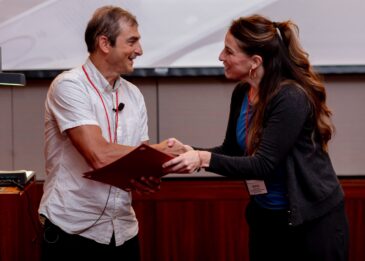
Symposium sessions feature three days of live, highly interactive virtual Zoom sessions that will explore today's most pressing topics. The Hospitality Symposium offers you a unique opportunity to engage in real-time conversations with peers and experts from the Cornell community and beyond. Using the context of your own experiences, you will take part in reflections and small-group discussions to build on the skills and knowledge you have gained from your courses.

Join us for the next Symposium, in which we'll discuss how both day-to-day operations and strategic goal setting in the hospitality sector have rapidly evolved over the past two years, opening up new space for real-time conversations about the future of the industry. You will support your coursework by applying your knowledge and experiences to various areas of the industry, examining the innovations and accommodations you have all had to make throughout the COVID-19 pandemic and strategizing on future directions. By participating in relevant and engaging discussions, you will discover a variety of perspectives and build connections with your fellow participants from across the industry.

All sessions are held on Zoom.

Future dates are subject to change. You may participate in as many sessions as you wish. Attending Symposium sessions is not required to successfully complete any certificate program. Once enrolled in your courses, you will receive information about upcoming events. Accessibility accommodations will be available upon request.

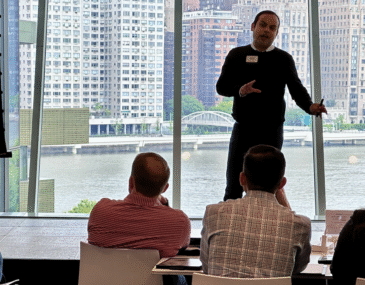
eCornell Online Workshops are live, interactive 3-hour learning experiences led by Cornell faculty experts. These premium short-format sessions focus on AI topics and are designed for busy professionals who want to gain immediately applicable skills and strategic perspectives. Workshops include faculty presentations, breakout discussions, and guided hands-on practice.

The AI Workshops All-Access Pass provides you with unlimited participation for 6 months from your date of purchase. Whether you choose to attend one workshop per month, or several per week, the All-Access Pass will allow you to customize your AI journey and stay on top of the latest AI trends.

Workshops cover a range of cutting-edge AI topics applicable across industries, hosted by Cornell faculty at the forefront of their fields. Whether you are just getting started with AI, seeking to build your AI skillset, or exploring advanced applications of AI, Workshops will provide you with an action-oriented learning experience for immediate application in your career. Sample Workshops include:

  • Work Smarter with AI Agents: Individual and Team Effectiveness
  • Leading AI Transformation: Bigger Than You Imagine, Harder Than You Expect
  • Using AI at Work: Practical Choices and Better Results
  • Search & Discoverability in the Era of AI
  • Don't Just Prompt AI - Govern it
  • AI-Powered Product Manager
  • Leverage AI and Human Connection to Lead through Uncertainty

Request
more Info
by completing the form below.

Act today—courses are filling fast.

How It Works

Cornell University definitely changed my life.
‐ Chorten W.
Chorten W.

Frequently Asked Questions

Service failures rarely come from one bad moment. They come from inconsistent standards, unclear values, and teams that are not equipped or empowered to deliver great experiences under pressure. Cornell’s Leading a Culture of Service Excellence Certificate helps you turn service excellence into an intentional, repeatable way of working.

In this certificate program, authored by faculty from the Nolan School of Hotel Administration at the Cornell SC Johnson College of Business, you will learn how to clarify who your target customer is, map the customer journey and expectations, assess your current service culture, and define a service vision that aligns day-to-day behavior with your values.

Because the program is built around applied work, you will leave with practical outputs you can use immediately, including a service-culture gap analysis, a clear service vision, and an action plan with SMART goals. You’ll also strengthen the leadership behaviors that sustain service performance over time, including empathy, credibility, ethical decision making, listening, collaboration, coaching, and service recovery.

If you want a clear service culture strategy, stronger service leadership habits, and a practical action plan you can implement with your team, you should choose Cornell's Leading a Culture of Service Excellence Certificate.

Many online customer service programs focus on tips and scripts. Cornell’s Leading a Culture of Service Excellence Certificate is designed to help you build the leadership system behind great service, so performance holds up across people, shifts, and locations.

You learn in a small, cohort-based environment with an expert facilitator who guides discussions and provides feedback on your applied work, so you are not learning in isolation. The experience blends short faculty-designed video lessons, practical tools, and structured assignments that ask you to apply frameworks directly to your organization, such as mapping customer touchpoints, diagnosing service-culture components, practicing coaching and feedback, and planning service recovery.

Unlike purely self-paced options, you will also have opportunities for live interaction that helps you pressure-test decisions, refine your messaging, and learn how other leaders are handling similar service challenges.

Plus, by enrolling in Cornell’s Leading a Culture of Service Excellence Certificate, you get two years of access to Hospitality Symposium featuring two days of live, highly interactive virtual Zoom sessions that will explore today’s most pressing topics, giving you a unique opportunity to engage in real-time conversations with peers and experts from the Cornell community and beyond.

Enrolling in this certificate also provides you with a 6-month All-Access Pass to eCornell's live online AI Workshops, interactive sessions led by world-class Cornell faculty that combine Ivy League insight with practical applications for busy professionals. Each 3-hour Workshop features structured instruction, guided practice, and real tools to build competitive AI capabilities, plus the opportunity to connect with a global cohort of growth-oriented peers. While AI Workshops are not required, they enhance certificate programs through:

  • Integrating AI perspectives across most curricula
  • Responding to emerging AI developments and trends
  • Offering direct engagement with Cornell faculty at the forefront of AI research

Cornell’s Leading a Culture of Service Excellence Certificate is designed for professionals who are responsible for the quality and consistency of service, whether you lead a frontline team or influence service across departments.

The Leading a Culture of Service Excellence Certificate is a strong fit if you:

  • Lead people who serve external customers, internal customers, or both
  • Want a practical framework for improving customer experience and service consistency
  • Need to strengthen coaching, listening, and communication habits that shape culture
  • Are working to improve collaboration, onboarding, and service recovery in a service environment
  • Want tools you can apply in hospitality, financial services, healthcare, retail, or any customer-facing operation

Cornell’s Leading a Culture of Service Excellence Certificate is also a good match if you want to formalize what great service looks like in your organization, then build the processes and leadership behaviors that make it repeatable.

You will complete a series of applied, step-by-step projects that turn concepts into deliverables you can use at work. The projects are designed to build from diagnosis to action so you finish with a realistic plan for improving service culture and customer experience.

In Cornell’s Leading a Culture of Service Excellence Certificate, project work commonly includes:

  • Creating a target customer profile and mapping a customer journey to identify key touchpoints and expectations
  • Assessing the components of your current service culture, identifying gaps, and prioritizing improvement areas
  • Drafting a service vision statement that aligns values and behaviors, then translating it into SMART goals and an action plan
  • Completing self-assessments and peer or colleague input to strengthen leadership behaviors such as empathy, credibility, and assertive communication
  • Choosing the best communication channels for service standards, including how to reinforce messages through informal networks
  • Writing a practical code of ethical conduct and applying an ethical decision-making framework to real service dilemmas
  • Evaluating your listening effectiveness using the HURIER model and designing changes that create a stronger listening environment
  • Diagnosing internal “service within,” including how the physical and social environment affects collaboration
  • Designing improvements to hiring and onboarding, including service-focused interview questions and a more effective orientation experience
  • Planning for coaching, feedback, empowerment, and service recovery, including a structured response to difficult customer situations and an employee care plan to reduce stress

By the end of Cornell’s Leading a Culture of Service Excellence Certificate program, you will have a portfolio of tools, templates, and plans that can be shared, tested, and refined with your team.

Cornell’s Leading a Culture of Service Excellence Certificate helps you build visible leadership impact by giving you a clear framework, shared language, and practical tools for improving service culture and customer experience.

After completing the Leading a Culture of Service Excellence Certificate, you will be prepared to:

  • Define and plan a culture of service that delivers on the needs of the market
  • Assess key personal competencies and employ effective strategies for facilitating a strong service culture
  • Practice principles of Servant Leadership and create a listening environment
  • Establish key organizational processes to ensure service excellence in the customer experience
  • Foster continuous improvement and employee empowerment by applying practices that inspire, develop, and reinforce outstanding customer service delivery

Students consistently describe long-term benefits that show up back on the job: the ability to intentionally shape a service-first culture, stronger day-to-day leadership habits, and concrete action planning that translates ideas into changes teams can implement. Learners also report that the program strengthens how they communicate and collaborate, equips them to lead with empathy and trust, and provides reusable templates and tools for reinforcing service standards and continuous improvement in real service environments.

In addition, because eCornell represents the pinnacle of premium online professional education, participants in eCornell's programs often experience long-term career transformation such as promotions to more senior roles, salary increases, improved networking opportunities, and successful career transitions.

Cornell’s Leading a Culture of Service Excellence Certificate, which consists of 5 short courses, is designed to be completed in 3 months. Each course runs for 2 weeks, with a typical weekly time commitment of 3 to 5 hours.

Designed for working professionals, each course follows a similar weekly rhythm that includes short video lessons, readings, discussions, and applied project work. Flexibility comes from the fact that most work is asynchronous, so you can complete coursework on your schedule within the weekly deadlines.

Live sessions are offered to deepen learning and let you connect with your facilitator and peers, but the core learning experience is built to fit alongside full-time work.

Students in Cornell’s Leading a Culture of Service Excellence Certificate consistently describe the experience as a practical, workplace-ready program that helps them intentionally shape service culture, strengthen leadership habits, and turn insights into concrete actions they can use immediately with their teams. They often highlight how the program goes beyond concepts to create a shared language for service excellence and a clear plan for how to champion it across an organization.

What students most often emphasize includes:

  • Clear frameworks for building and sustaining a service-first culture
  • Tools to improve service delivery, customer experience, and team collaboration
  • Exercises that develop service champions and reinforce service standards
  • Strategies for leading with empathy, trust, and support for employees
  • Action planning that helps translate learning into changes on the job
  • Relevant, real-world examples that connect directly to service environments
  • Thought-provoking reflection that strengthens day-to-day leadership decisions
  • Engaging mix of short videos, readings, and applied activities
  • Strong facilitator presence with timely guidance and feedback
  • Flexible online structure that fits busy professional schedules
  • Downloadable resources and templates students can reuse at work
  • Peer interaction that broadens perspective and sparks new approaches

Many learners also note that Cornell’s Leading a Culture of Service Excellence Certificate helps them step back from daily demands to focus on their own growth while still producing outcomes they can apply right away in leading teams, improving communication, and elevating the service experience.

High service standards do not stick when employees feel unheard or unsupported. Building a service culture often requires a leadership shift toward trust, ethics, and day-to-day listening behaviors.

Cornell’s Leading a Culture of Service Excellence Certificate gives you structured practice with Servant Leadership principles and an explicit listening framework you can apply immediately. You will work with the HURIER listening model (Hearing, Understanding, Remembering, Interpreting, Evaluating, Responding) to assess your current listening habits and design improvements that strengthen your team’s listening environment. You’ll also examine ethical decision making in service settings, draft a code of conduct, and identify ways to improve “service within,” meaning how well employees support each other across roles and departments.

The result is a leadership approach that helps people feel respected and empowered, which supports more consistent service behaviors and better collaboration under pressure.

Customers judge your brand most harshly when something goes wrong. Teams that can respond quickly and fairly need both empowerment and a clear recovery playbook.

Cornell’s Leading a Culture of Service Excellence Certificate helps you build that capability by focusing on the systems and leadership behaviors that enable frontline decision making. You will explore how to remove barriers to empowerment, reinforce service standards through continuous feedback, and coach employees through performance conversations. You’ll also practice a structured approach to service recovery that emphasizes responding to emotions, clarifying facts, correcting the issue, and following up so customers feel heard and treated fairly.

You will finish Cornell’s Leading a Culture of Service Excellence Certificate program with practical tools you can reuse, including empowerment checklists, coaching guides, and an action plan for strengthening employee care and reducing stress, which supports sustainable service performance over time.

You don't need hospitality experience to benefit from Cornell’s Leading a Culture of Service Excellence Certificate; service culture challenges show up in every industry that relies on trust, responsiveness, and consistent experiences. The tools in this program are designed to transfer across service settings because they focus on customer expectations, leadership behaviors, and operational practices that drive consistency.

You will learn how to define your target customer, map key touchpoints, and shape the culture that supports service delivery. You’ll also build practical leadership skills that matter in any service environment, including empathy, credibility, assertive communication, ethical decision making, collaboration, coaching, and internal service.

Cornell’s Leading a Culture of Service Excellence Certificate is relevant for managers and team members in settings like financial services, healthcare, retail, hospitality, and small business operations, as well as any organization working to deliver a consistently high level of customer service.